
Animal Food and Feed.

[Product Groups]
Testing of animal feed, pet food, and allied products is critical to ensure nutritional adequacy, product safety, and regulatory compliance across the livestock and companion animal sectors. Accurate evaluation through proximate analysis (moisture, protein, fat, fiber, ash etc) provides essential information on the nutritional composition, enabling manufacturers to formulate balanced diets that support optimal growth, productivity, immunity, and overall animal health.
Nutritional profiling, including amino acids, vitamins, and minerals, plays a key role in verifying label claims and ensuring that feed formulations meet species-specific dietary requirements. This is particularly important in high-performance livestock production systems and specialized pet nutrition, where even minor deficiencies or excesses can lead to metabolic disorders, reduced productivity, or long-term health impacts.
Contaminant analysis, including mycotoxins, heavy metals, pesticide residues, and antibiotic residues, is essential to safeguard both animal health and the food chain. Mycotoxins such as aflatoxins can cause severe toxicity, immunosuppression, and economic losses, while antibiotic residues contribute to the global concern of antimicrobial resistance (AMR). Ensuring contaminant levels are within permissible limits is therefore crucial for regulatory compliance and export acceptance.
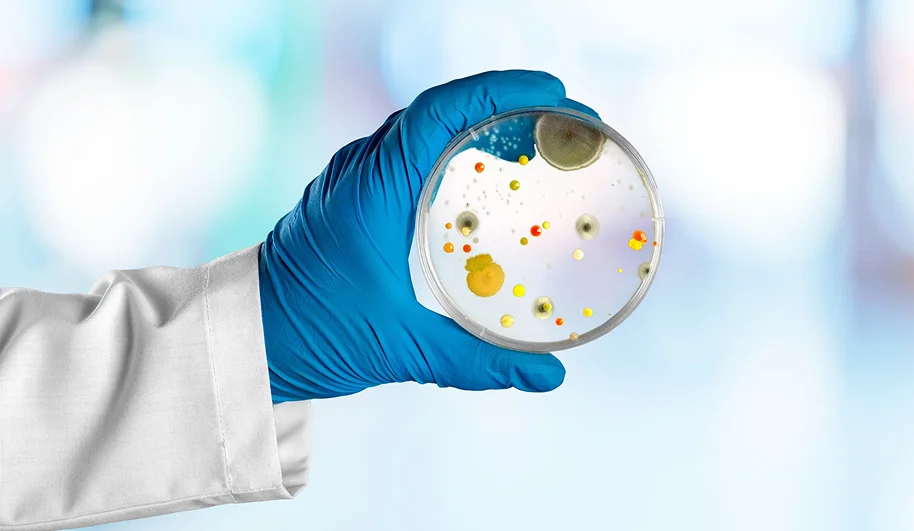
Microbiological testing further ensures that feed and pet food are free from pathogenic organisms such as Salmonella, E. coli, and other harmful microbes. This is vital not only for animal safety but also for preventing cross-contamination into the human food supply chain, especially in integrated farming systems.
All testing is performed using validated and standrard methods under ISO/IEC 17025, ensuring traceability, accuracy, reproducibility, and defensible results. This strengthens confidence among manufacturers, regulatory bodies, and end-users, supporting quality assurance, risk management, and market credibility.
Aqua-Culture Feed
Significance of Testing
Testing of aquaculture feed is essential to ensure optimal growth, survival, and disease resistance of aquatic species. It helps in verifying the nutritional composition such as proteins, lipids, vitamins, and minerals required for healthy development. Quality testing also detects contaminants like heavy metals, pesticides, mycotoxins, and pathogenic microorganisms that can adversely affect aquatic life and lead to bioaccumulation in the human food chain. Additionally, it ensures feed stability in water, digestibility, and compliance with regulatory standards, thereby supporting sustainable aquaculture practices.
Animal Nutrition Supplements
Significance of Testing
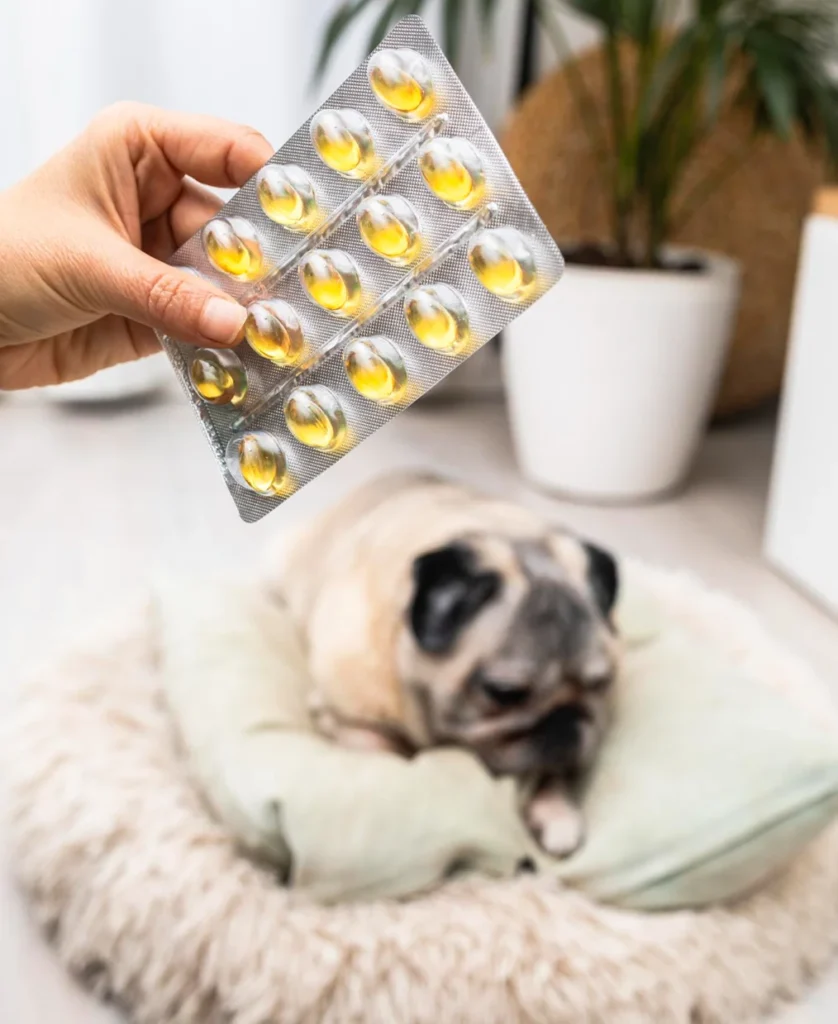
Testing of animal supplements is crucial to confirm the presence, potency, and bioavailability of essential nutrients such as vitamins, minerals, amino acids, and probiotics. It ensures that the supplements are free from harmful contaminants like toxins, heavy metals, and microbial pathogens. Proper analysis helps prevent under- or over-supplementation, which can lead to health disorders in animals. It also verifies label claims and ensures consistency, safety, and efficacy, ultimately improving animal health, productivity, and reproduction performance.
Pet Foods
Significance of Testing
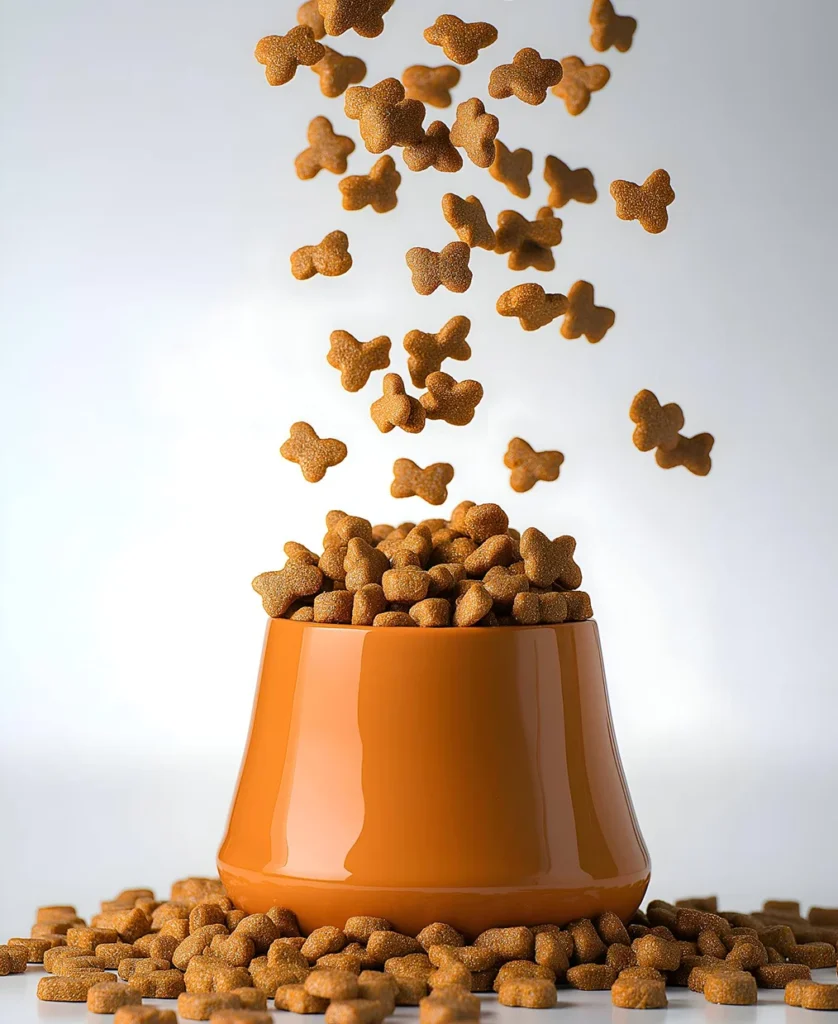
Pet food testing plays a vital role in ensuring the safety, quality, and nutritional adequacy of food intended for companion animals. It helps detect contaminants such as pathogens (e.g., Salmonella), mycotoxins, and chemical residues that could harm pets. Nutritional analysis ensures balanced levels of proteins, fats, carbohydrates, vitamins, and minerals tailored to specific life stages and breeds. Testing also ensures palatability, shelf stability, and compliance with regulatory standards, thereby safeguarding pet health and maintaining consumer trust.
Poultry Feed Additives
Significance of Testing
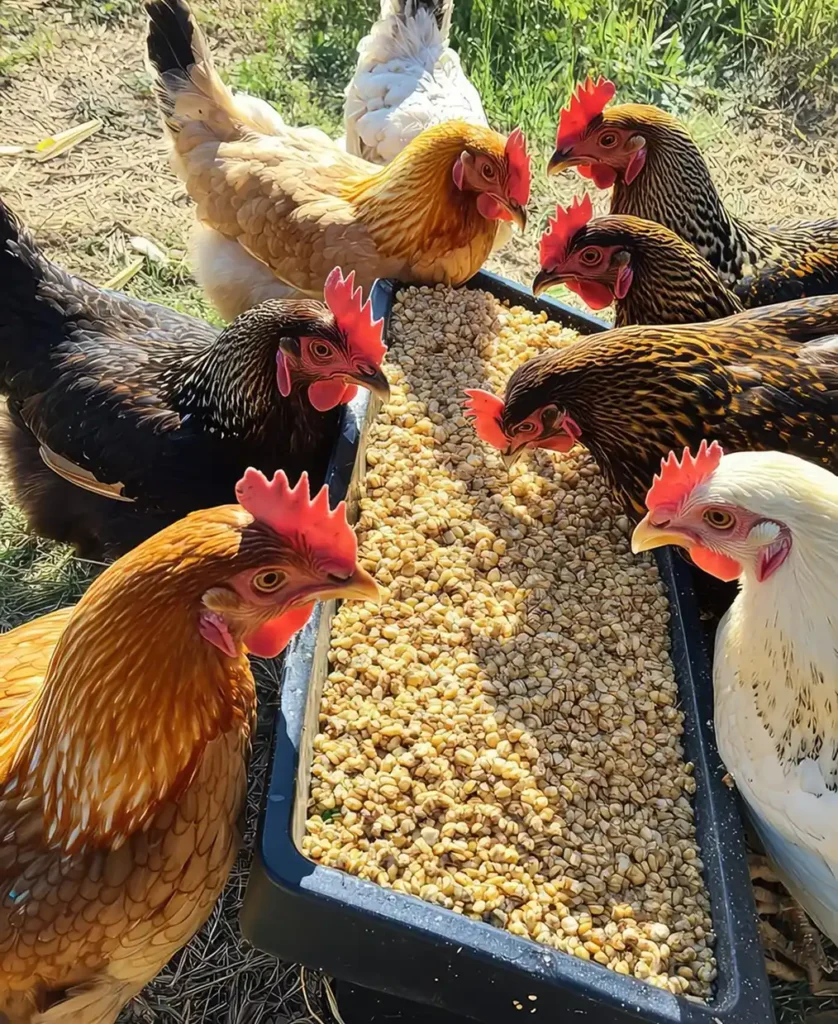
Testing of poultry feed additives is important to validate their safety, efficacy, and proper dosage levels. These additives, including enzymes, probiotics, antibiotics alternatives, vitamins, and growth promoters, must be assessed for their functional performance and absence of harmful residues. Analytical testing ensures they enhance feed efficiency, improve gut health, and boost immunity without causing toxicity or antimicrobial resistance. It also ensures regulatory compliance and supports sustainable poultry production by optimizing bird performance and product quality (meat and eggs).
[FAQ]
Frequently Asked Questions
Why is testing of animal feed and pet food important?
Testing of animal feed and pet food is essential to ensure nutritional quality, product safety, and regulatory compliance. Analytical testing helps verify protein, fat, fiber, vitamins, minerals, and other nutritional parameters while also detecting contaminants such as mycotoxins, heavy metals, pesticide residues, and harmful microorganisms that may impact animal health and productivity.
What types of contaminants are commonly tested in animal feed products?
Animal feed and pet food are commonly tested for contaminants such as aflatoxins and other mycotoxins, heavy metals, pesticide residues, antibiotic residues, and pathogenic microorganisms including Salmonella and E. coli. These analyses help ensure feed safety, prevent disease outbreaks, and support compliance with national and international regulatory standards.
Why is microbiological testing important for poultry and aquaculture feed?
Microbiological testing helps identify harmful pathogens that may affect animal health, feed quality, and farm productivity. In poultry and aquaculture systems, contaminated feed can contribute to infections, poor growth performance, reduced immunity, and contamination of the food supply chain. Routine microbiological analysis supports safer and more sustainable production practices.
How does nutritional analysis benefit animal nutrition and performance?
Nutritional analysis provides accurate information about the composition of feed and supplements, including proteins, amino acids, fats, vitamins, and minerals. This helps manufacturers formulate balanced diets tailored to specific species and growth stages, improving animal health, feed efficiency, immunity, reproduction, and overall productivity.
Are testing services performed according to recognized quality standards?
Yes. All testing is performed using validated analytical methods under ISO/IEC 17025 quality standards. This ensures accuracy, traceability, reproducibility, and reliable results that support regulatory compliance, quality assurance, export requirements, and customer confidence.
Ensure Safe & High-Quality Animal Feed Products
Partner with Barcode Analytical Services for reliable testing solutions for animal feed, pet food, aquaculture feed, poultry additives, and nutrition supplements. Our advanced laboratory services help ensure product safety, nutritional accuracy, regulatory compliance, and market credibility.