
Microbiology testing of Pollution & Environment

[Product Groups]
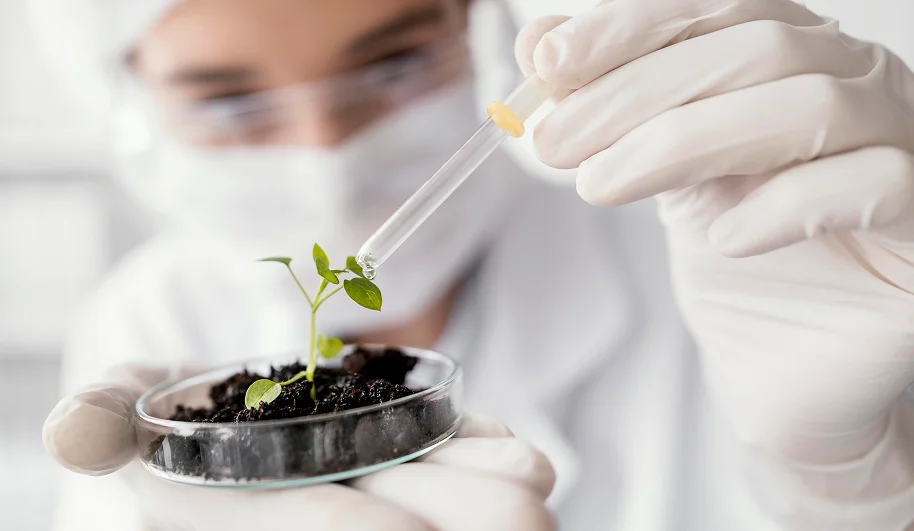
Environmental testing plays a vital role in monitoring and controlling pollution levels and ecological impact. Analysis of air, water, soil, effluents, sewage, and solid waste helps identify contaminants and assess compliance with environmental regulations.
Microbiological monitoring, including bio-burden estimation in classified and non-classified areas, is crucial for maintaining controlled environments such as pharmaceutical, healthcare, and food production facilities. Poor environmental control can lead to contamination, product recalls, and regulatory non-compliance.
Accurate data generated through validated methods supports environmental risk assessment, pollution control strategies, and sustainable operations, ensuring protection of public health and the ecosystem
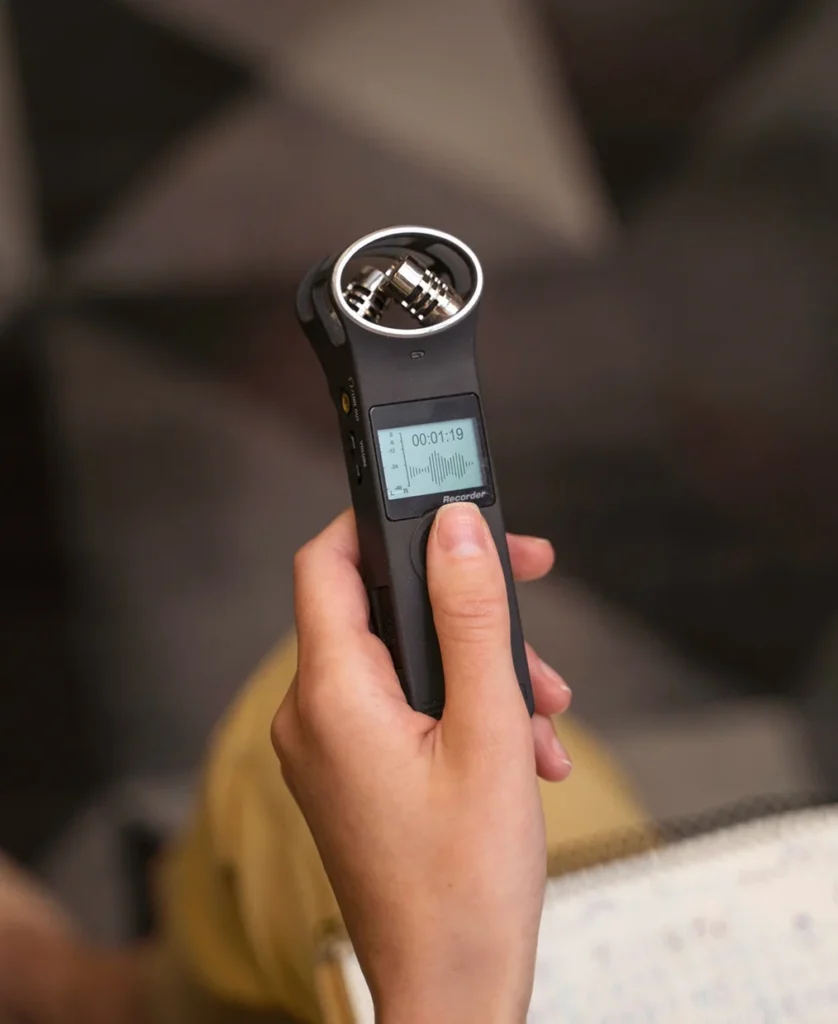
Air / Surface Testing
Microbiological Testing
Air and surface testing are essential for monitoring microbial contamination in both controlled and uncontrolled environments. It involves assessing airborne microorganisms and surface bioburden to evaluate cleanliness and hygiene levels. This testing is critical in laboratories, healthcare facilities, and food processing areas to prevent cross-contamination and ensure compliance with regulatory standards.
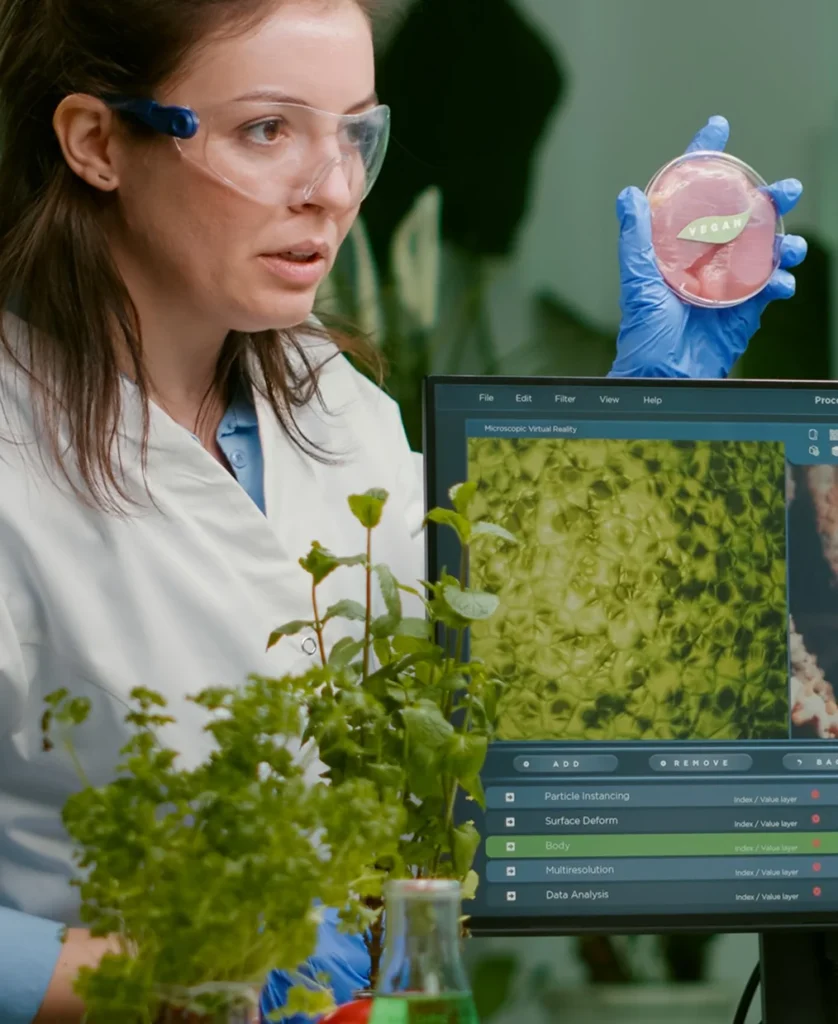
Bioburden Estimation
Microbiological Testing
Bioburden estimation is performed to determine the microbial load present in controlled (classified) and uncontrolled (non-classified) environments. It helps assess the effectiveness of cleaning, disinfection, and sanitation procedures. This testing supports contamination control, regulatory compliance, and ensures the integrity of critical operations.
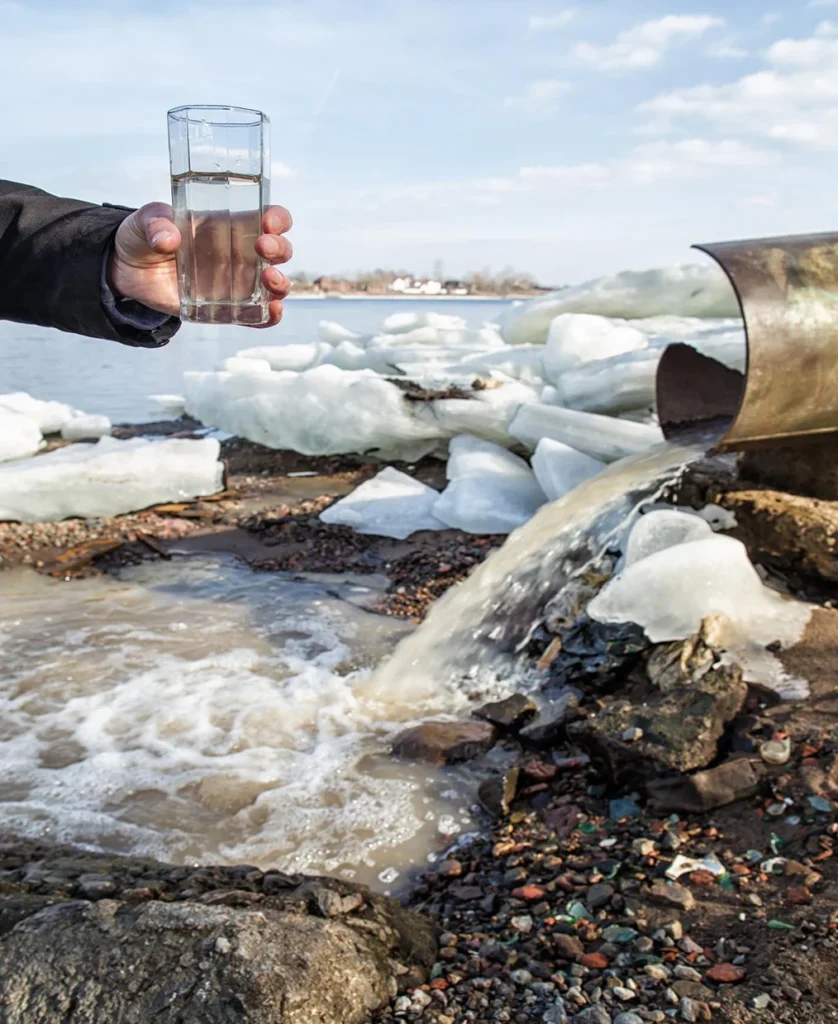
Effluents / Waste Water
Microbiological & Chemical Testing
Testing of effluents and wastewater is carried out to evaluate both microbial load and chemical pollutants before discharge. Microbiological analysis detects pathogens and indicator organisms, while chemical testing assesses parameters such as pH, BOD, COD, heavy metals, and toxic substances. This ensures environmental compliance and prevents pollution.
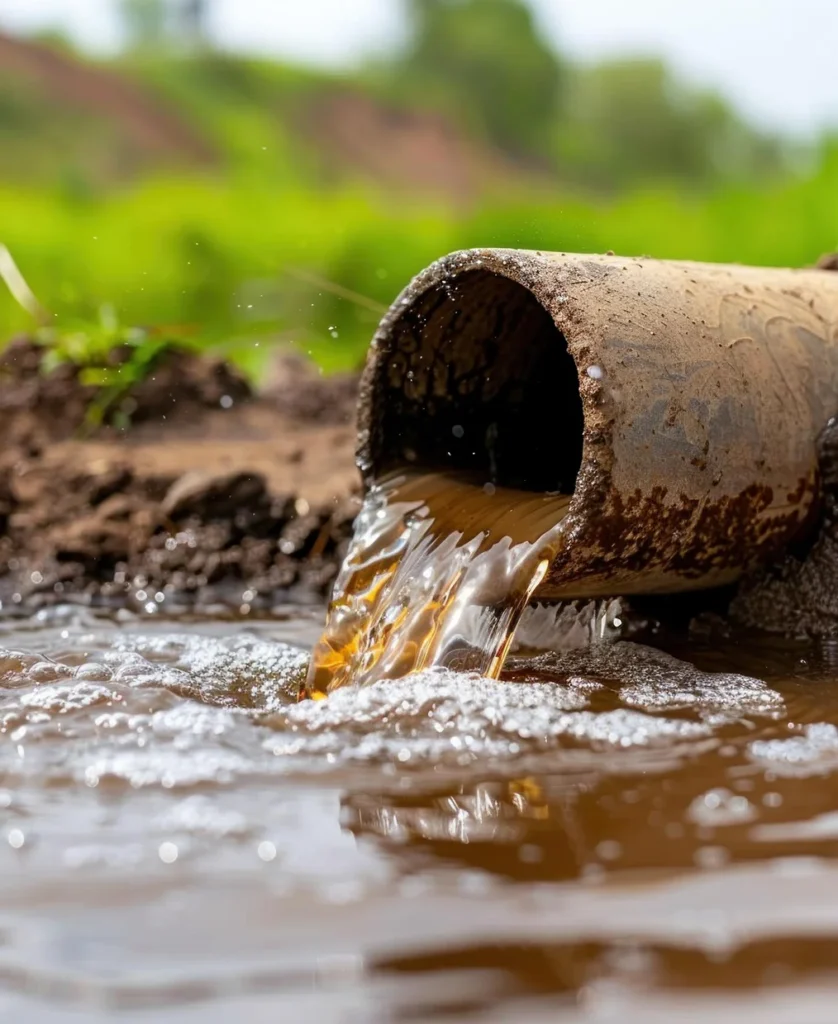
Sewage
Microbiological & Chemical Testing
Sewage testing is important to determine levels of microbial contamination and chemical pollutants. It includes detection of pathogens and analysis of organic and inorganic contaminants. This helps in effective treatment, safe disposal, and prevention of waterborne diseases, ensuring environmental and public health safety.

Soil
Microbiological & Chemical Testing
Soil testing evaluates microbial activity, nutrient status, and contamination levels. Microbiological analysis helps understand soil health and biological activity, while chemical testing identifies pollutants such as heavy metals, pesticides, and nutrient composition. This supports agriculture, environmental monitoring, and ecosystem sustainability.
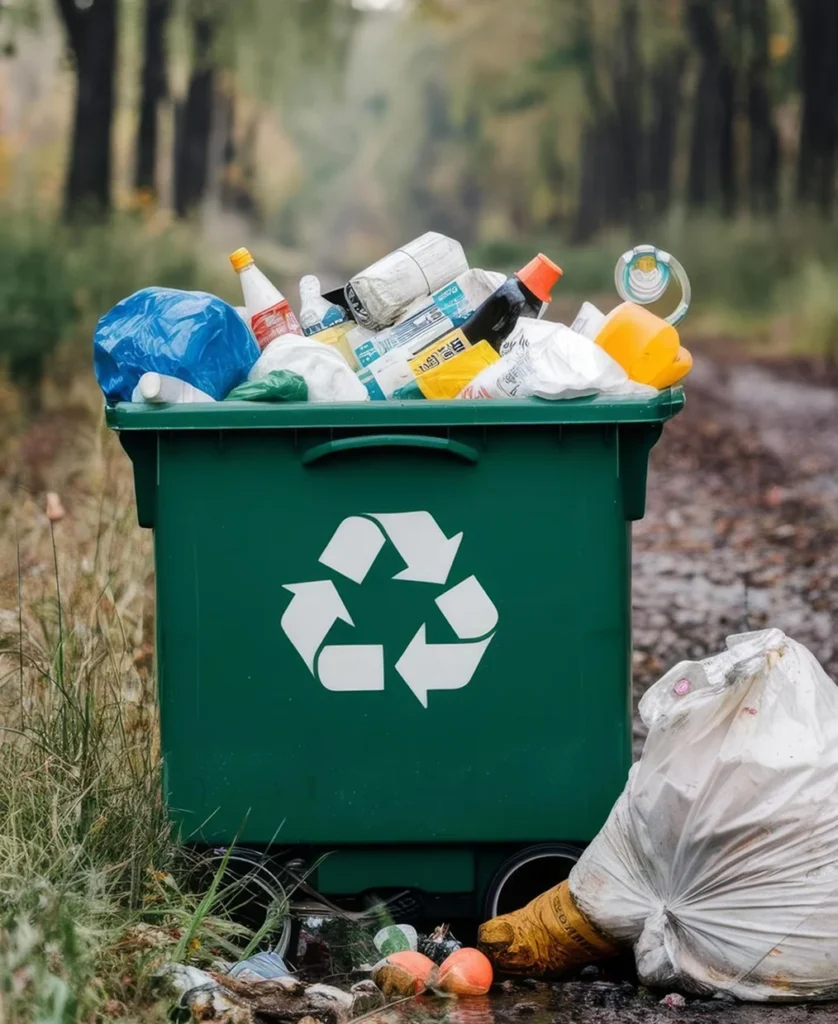
Solid Waste
Microbiological & Chemical Testing
Testing of solid waste is essential to identify microbial contamination and hazardous chemical components. It helps in proper classification, safe handling, and disposal of waste materials. This reduces environmental pollution, prevents health hazards, and ensures compliance with waste management regulations.
[FAQ]
Frequently Asked Questions
Why is environmental microbiology testing important?
Environmental microbiology testing helps identify microbial contamination and pollution levels in air, water, soil, sewage, and waste materials, ensuring environmental safety and regulatory compliance.
What is air and surface microbiological testing?
Air and surface testing evaluates microbial contamination in controlled and uncontrolled environments to maintain hygiene, prevent cross-contamination, and support cleanroom or facility monitoring programs.
What is bioburden estimation used for?
Bioburden estimation determines the microbial load present in classified and non-classified areas, helping assess the effectiveness of cleaning, sanitation, and contamination control procedures.
Why are effluent and wastewater tests required?
Effluent and wastewater testing helps evaluate microbial contamination and chemical pollutants before discharge, ensuring compliance with environmental regulations and reducing pollution risks.
What is the purpose of soil and solid waste testing?
Soil and solid waste testing identifies microbial contamination, hazardous chemicals, and pollutants to support environmental monitoring, safe disposal practices, and sustainable waste management.
Reliable Environmental Testing Solutions
Ensure environmental safety, regulatory compliance, and contamination control with our comprehensive microbiological and chemical testing services for air, water, soil, sewage, effluents, and solid waste. Our expert testing solutions support pollution monitoring, clean environment management, and sustainable operations.