Marine /Aqua culture Food Products

[Product Groups]
Product Groups
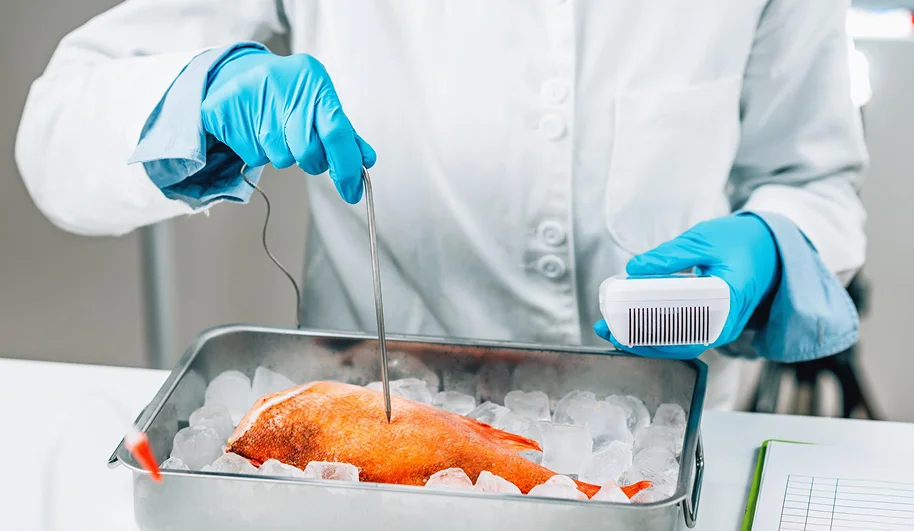
Testing of fish, prawns, shrimps, crab, and other aquatic products is critical due to their high susceptibility to contamination and spoilage. Microbiological analysis ensures safety from pathogens, while chemical testing evaluates heavy metals, antibiotic residues, and freshness indicators.
Monitoring antibiotic residues is particularly important to address concerns related to antimicrobial resistance and export compliance. Molecular identification techniques provide accurate detection of pathogens, enhancing food safety assurance.
These services ensure that marine products meet domestic and international standards, supporting trade and consumer safety.
Crab & Crab Products

Crab & Crab Products

Evaluation of crab and crab-derived products is critical to ensure safety and quality, particularly due to their high susceptibility to contamination. Microbiological examination focuses on identifying pathogens such as Vibrio species and other seafood-associated microorganisms, which can pose significant health risks.
Chemical assessment is carried out to detect contaminants including heavy metals (such as mercury, cadmium, and lead), marine toxins, and residues that may bioaccumulate in aquatic organisms. These analyses help ensure the product is within permissible safety limits.
Quality parameters such as freshness indicators, spoilage compounds, and sensory attributes are also monitored to assess product condition during storage and distribution. Overall, testing ensures adherence to food safety and export standards, supports product integrity, and guarantees safe consumption.
Fish & Fish Products

Fish & Fish Products

Comprehensive testing of fish and seafood products is essential due to their highly perishable nature and susceptibility to contamination across harvesting, processing, and distribution stages. These products require stringent evaluation to ensure both safety and quality, particularly for domestic consumption and international trade.

Microbiological assessment plays a critical role in identifying potential hazards such as pathogenic bacteria, parasites, and spoilage organisms. Detection of microorganisms including Salmonella, Vibrio species, and Listeria helps prevent foodborne illnesses and ensures hygienic handling throughout the supply chain.

Chemical evaluation focuses on monitoring contaminants that may bioaccumulate in aquatic organisms. This includes heavy metals such as mercury, cadmium, and lead, as well as environmental pollutants and marine biotoxins. Such analysis is vital to ensure the product remains within permissible safety limits and does not pose long-term health risks. Overall, integrated testing ensures strict compliance with national and international food safety standards, supports export certification, and guarantees that seafood products are safe, high-quality, and fit for consumer consumption.
Molecular Pathogen Identification

Molecular Pathogen Identification

Microbiological Testing
Molecular identification is significant for accurate and rapid detection of pathogens at the genetic level. Techniques such as PCR help identify specific microorganisms with high sensitivity and specificity. This reduces the time required for detection compared to conventional methods. It is widely used in food safety, clinical diagnostics, and environmental monitoring. It also helps in tracing contamination sources and outbreak investigations. This ensures precise identification and effective control measures.
Prawn & Prawn Products

Prawn & Shrimp

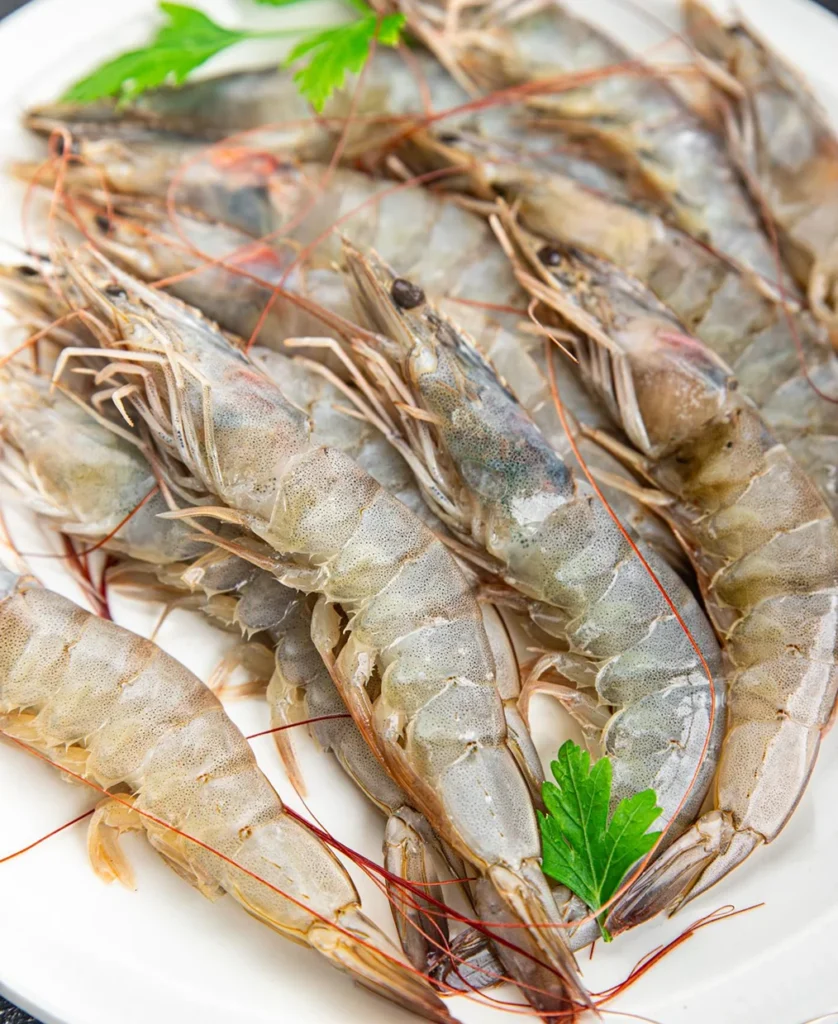
Testing of prawn products ensures microbiological safety, particularly against pathogens like Vibrio and Salmonella. It evaluates chemical contaminants such as antibiotics, heavy metals, and residues. Quality parameters such as freshness, texture, and spoilage indicators are also assessed. Proper testing ensures compliance with export and regulatory standards. Shelf-life studies help maintain product stability during storage. This ensures safe consumption and product quality.

Testing of shrimps is important to ensure safety, quality, and compliance with food standards. It helps detect microbial contamination, chemical residues, and environmental pollutants. Analysis of freshness and spoilage indicators ensures product quality. Testing also verifies absence of banned antibiotics and contaminants. It supports export quality requirements and regulatory compliance. This ensures consumer safety and product reliability.

others

Others

Testing of other related products is essential to ensure safety, quality, and compliance based on specific product characteristics. It helps detect microbial, chemical, and physical contaminants. Nutritional and compositional analysis ensures accuracy of labelling. Shelf-life and stability studies are also conducted. Regulatory compliance is verified for market acceptance. This ensures safe consumption and consistent product quality.

[Blogs & case studies]

Knowledge Hub for Analytical Testing & Research

[FAQ]

Frequently Asked Questions

Why is testing important for marine and aquaculture food products?
Testing helps ensure seafood products are safe, fresh, and free from harmful microorganisms, heavy metals, antibiotics, and chemical contaminants while meeting regulatory and export requirements.
Seafood testing commonly includes analysis for pathogens such as Vibrio and Salmonella, heavy metals like mercury and cadmium, antibiotic residues, marine toxins, and spoilage indicators.
Molecular pathogen identification uses advanced techniques such as PCR to rapidly and accurately detect bacterial, fungal, and viral pathogens at the genetic level.
Antibiotic residue testing helps ensure that seafood products are free from banned or excessive antibiotic levels, supporting food safety, export compliance, and antimicrobial resistance control.
Comprehensive microbiological and chemical testing helps marine food products comply with national and international food safety standards, ensuring market acceptance and consumer confidence.

Comprehensive Marine Food Testing Services

Ensure the safety, quality, and compliance of fish, prawns, shrimps, crab, and other aquaculture products with our specialized microbiological, chemical, and molecular testing services. Our expert analysis supports export requirements, contamination control, product quality assurance, and consumer safety.
Scroll to Top